

01 Does not replace
Medical device log and QM
The medical device log, the device inventory and your processes under the MPBetreibV stay as they are.
Personal advice · reply within 24 h
Sold out · back soon
ServiceID · Clinics, practices & medical technology
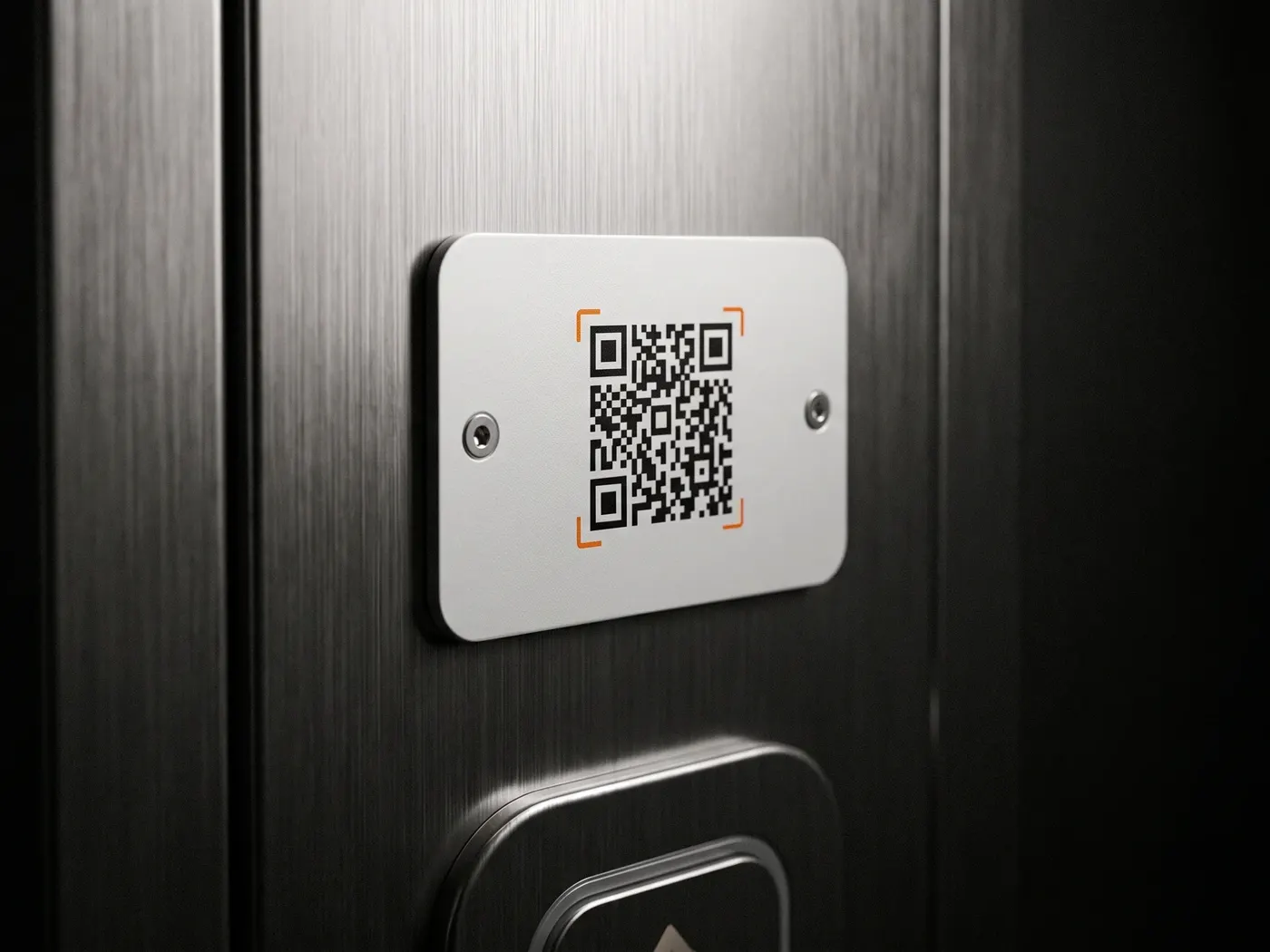
In clinics, practices and labs, a device malfunction can, depending on the device, be a case that must be documented. Even so, it is often reported by calling out down the corridor. A report point on the device turns that into a structured report with device, timestamp and photo, sent straight to medical engineering or your service partner.
Documentation
The German Medical Devices Operator Ordinance (MPBetreibV) makes operators responsible for the safe operation of their devices. For certain active medical devices, this includes a medical device log in which malfunctions, among other things, are recorded with their date, nature and consequences.
Every malfunction therefore needs a clean start: when, which device, what exactly. With a call like “The ECG in room three is playing up again”, that start is lost. The report point on the device is as quick as calling out, but it records device, location and time.
The boundary
ServiceID is not medical device software. Whether and how you transfer the reports into your device documentation is up to you and the people responsible for your quality management.
01 Does not replace
The medical device log, the device inventory and your processes under the MPBetreibV stay as they are.
02 Delivers
Structured, timestamped malfunction reports as source data, instead of a reconstruction days later.
03 Does not capture
Devices are reported, not people. Topics are set up so that no health data is requested.
Prices & process
One price per device, a one-time setup, no minimum term.
Questions & answers
This question cannot honestly be answered with a yes. The MPBetreibV is addressed to you as the operator, and your processes fulfil the documentation duties, not a single tool. ServiceID provides the structured source data for this: when, which device, what, with a photo.
No. The report topics are set up so that no patient or health data is requested. The platform is GDPR-compliant and runs on servers in Germany and the EU.
You define recipients per device or device group: in-house medical engineering, building services or an external service provider. Every report arrives by email in the right inbox, and so in any ticketing system with email intake.
Yes, that is what it's built for: no app, no login, no training. Even the night-shift cover seeing the device for the first time can report.
Yes. You receive structured reports with a device ID instead of phone calls, and you give your customers a visible reporting route on the device.
ServiceID for medical technology
Briefly describe your device inventory, whether as an operator or as a service partner. In the intro call we show you a suitable setup, and then you receive a quote.
Abdou Seye
Co-Founder & CSO · Business
You speak directly with us, the people who built the system.
30-minute call · free & no obligation
Briefly describe your project · reply within 24 h on business days
A confirmation is on its way to — check your spam folder just in case. We usually get back to you within one business day.
That didn't go through just now. Send us your request directly by email instead — your details are already filled in:
Send by emailPrivacy
You know the drill: we see what you like here and which ads land — and you see less nonsense in return. Essentials run anyway. Details: privacy policy.