

← Klartext Business
Promotional Items Nobody Throws Away: What the GWW Figures Really Mean
Updated SilentLink-Team ≈ 3 min read
Key points
- The 2019 GWW impact study credits promotional items with a 90% usage rate and 70% brand recall — better figures than most digital channels.
- The problem isn't in the study: for your individual budget, this effect is invisible. No contact, no lead, no figure for the next budget meeting.
- The solution isn't more logo, but more function: a promotional item that can do something lasting gets kept — and an item that gets activated becomes measurable.
There’s one figure that’s missing from no promotional-products trade fair: 90 percent. That’s how many recipients take promotional items and use them, according to the 2019 GWW impact study. Add around 70 percent brand recall and 62 percent who keep their item for longer than a year. Metrics that display advertising can only dream of — no ad blocker, no banner blindness, a physical object in the customer’s everyday life.
Anyone defending a budget with these figures still has a problem. It just isn’t in the study.
The effect is real — but it isn’t yours
Industry studies measure the category, not your campaign. That promotional items are recalled on average says nothing about whether your 2,000 trade-show give-aways worked — or whether they ended up in the hotel-room bin. After they’re handed over, radio silence sets in: no contact, no lead, no attribution in the CRM. In the next budget meeting, a study figure then stands against the finance team’s legitimate question: “And what did it get us?”
Digital channels don’t have this problem — and win budget year after year for that reason, even though their visibility per euro is often worse. Not because they work better, but because they prove better.
The sorting test: drawer or keyring?
Before measurability even becomes the topic, a far more mundane hurdle decides the 90 percent: is the item kept? The most honest test question for that is: Would the recipient miss it?
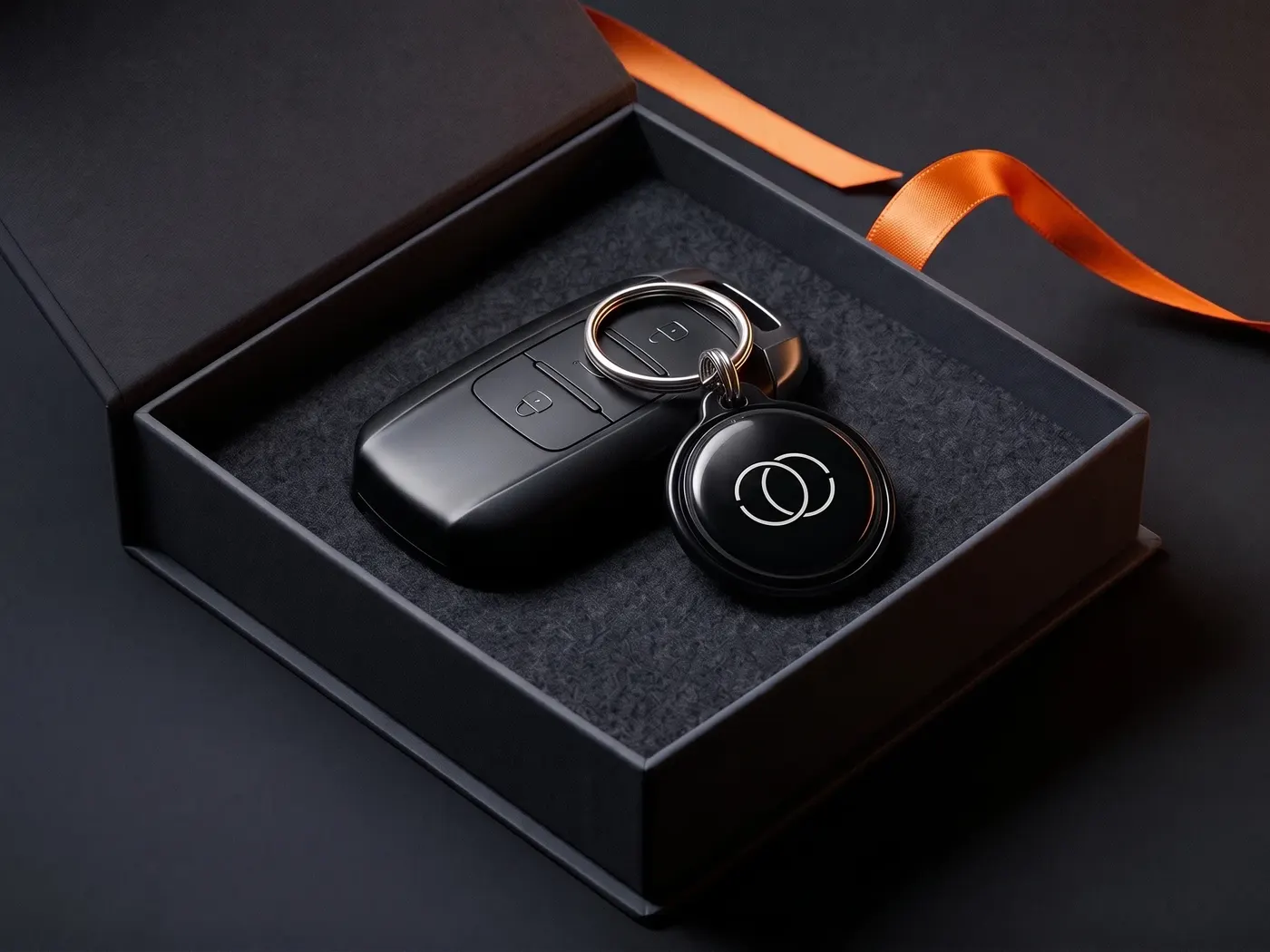
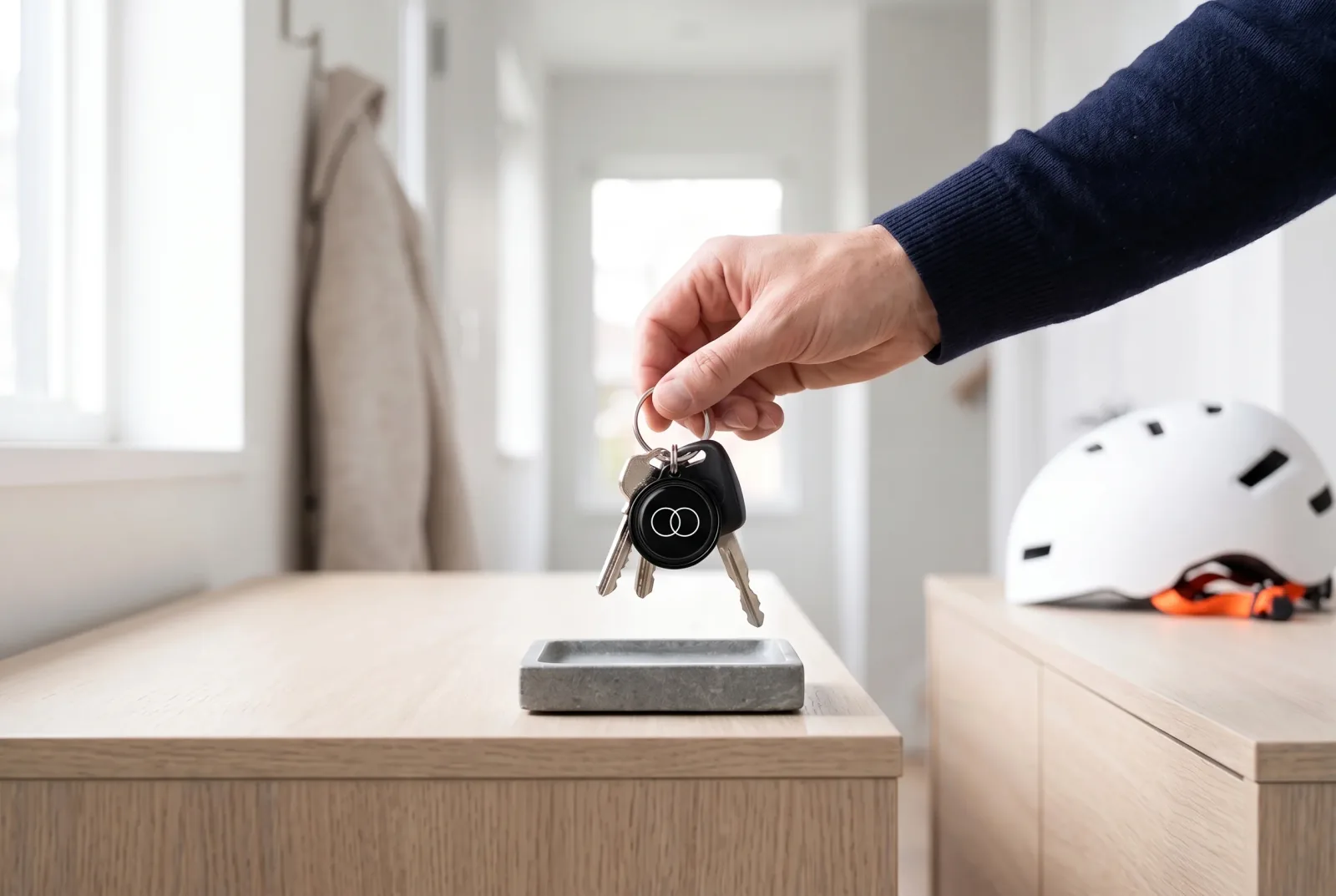
A ballpoint pen isn’t missed — there are three more in the drawer. A mug isn’t missed. Loss protection on a keyring, by contrast, protects the object whose loss really hurts: a locksmith from 200 euros, new locks, a lost day. An item like that isn’t just kept — it gets used, every day, and it never ends up in the junk box, because it can do something that goes beyond the logo.
That’s the real lever behind the GWW figures: the 62 percent long-term use is reached by items with a use — not items with a particularly big logo.
From the kept item to the provable result
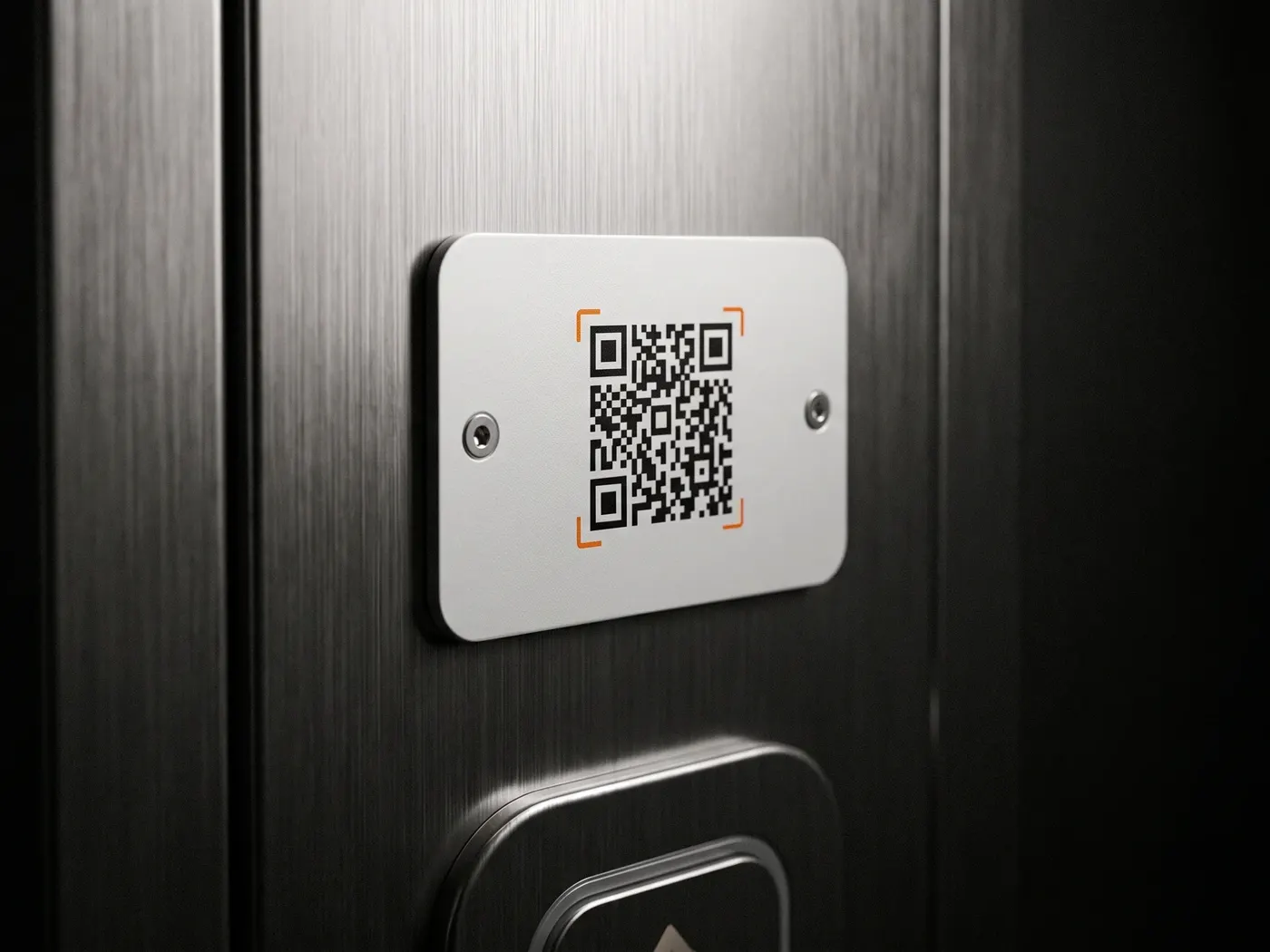
That leaves the question of proof. And here the most interesting shift in the industry is happening right now: promotional items are getting a digital return channel. Loss protection with a contact function has to be activated once by the recipient — and that activation moment is the touchpoint that the pen and the mug never had: a point in time, a person, a measurable action. If you like, you connect it to a lead form, an appointment booking or a promotional code.
With that, the budget logic flips. “We believe in the study figures” becomes: 2,000 units handed out, X activated, Y contacts, Z appointments. Tactile advertising with digital proof — the strength of the one channel, the accountability of the other.
So the GWW figures aren’t a selling point for “more of the same”. They’re the evidence that the medium works — and an invitation to finally measure your own share of it too.
FAQ
What is the GWW study anyway?
The GWW (the German promotional-products industry association) regularly commissions research into the effect of tactile advertising. The figures from the 2019 impact study — around 90% of promotional items are taken and used, around 70% of recipients recall the advertising brand, 62% use items for longer than a year — are among the most-cited metrics in the industry.
Does that mean classic give-aways are a waste of money?
No — they demonstrably work on recall and goodwill. It's just that this effect can hardly be proven or optimised for an individual company. Anyone who has to defend a budget also needs a measurable return channel: activations, contacts, appointments.
How do I recognise a promotional item that gets kept?
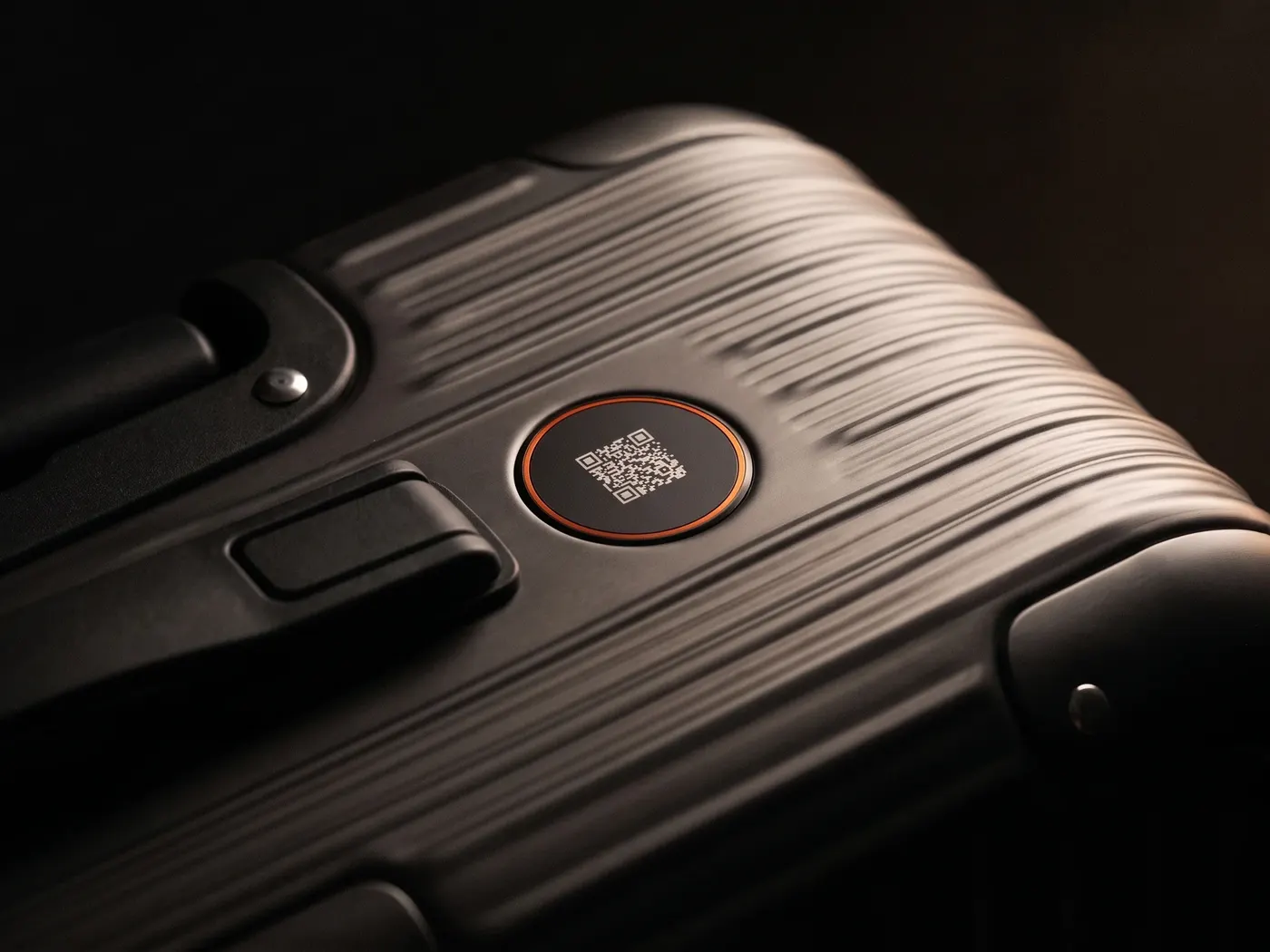
By an honest question: would the recipient miss it? Items with a lasting function — on the keyring, on the suitcase, on the collar — pass this test. Items whose only function is your logo almost never pass it.