



← Klartext Opinion
Effort Beats Decency: Why Honest People Commit Hit-and-Run
10 Jun 2026 SilentLink-Team ≈ 3 min read
Key points
- Someone who drives off after a parking bump is rarely a bad person — they're facing a bad deal: half an afternoon of bureaucracy versus a clear conscience.
- The note under the wiper isn't a solution, it's a symptom: there simply is no easy, official way to reach a stranger who owns the car.
- The clear-up rate isn't a question of character. It's a question of effort — and effort can be lowered.
Picture the moment: a shopping-trolley manoeuvre in a tight car park, a brief crunch, a scratch in someone else’s paint. The person at fault gets out, looks at the damage — and now something interesting happens. In that moment they are almost always ready to be honest. The only question is what we offer them in return.
The offer we make to the honest person
The official offer goes like this: wait by the stranger’s car, you don’t know for how long. Call the police if no one comes. Wait for the patrol. Give a statement for the accident report. The rest is handled by an owner lookup and the post — eventually. Half an afternoon, at least, for a scratch that the at-fault party’s insurance would have paid for anyway.
The unofficial offer goes like this: write a note. If you have pen and paper on you. If it isn’t raining. If you’re willing to leave your private mobile number, readable by anyone, on a stranger’s windscreen — in a car park where everyone walks past.
And then there’s the third offer, the one no one says out loud: get in and drive. It costs nothing but a guilty conscience, and that fades faster than we’d like to admit.
No one plans to be a scoundrel
Behavioural research knows this pattern well: in moments like these, people don’t choose between “good” and “evil”, but between “easy now” and “exhausting now”. The person who drives off has, in the rarest of cases, decided in favour of a hit-and-run — they’ve decided against half an afternoon of bureaucracy and talk themselves into the rest: It was only a small scratch. They probably won’t even notice. Who knows, maybe it was already there.
That’s not an excuse. Leaving the scene of an accident is and remains a criminal offence. But anyone who wants to change the behaviour cannot stop at the moral verdict — they have to change the decision itself. Sermons don’t improve clear-up rates. Better offers do.
The uncomfortable formula
You can boil it down to a formula that is more uncomfortable than it sounds:
The clear-up rate isn’t a question of character. It’s a question of effort.
The formula is uncomfortable because it turns the responsibility around. As long as honesty costs half an afternoon and driving off costs nothing, the problem doesn’t lie with people, but with the system. The good news is in the same formula: effort — unlike character — is an adjustable lever. It can be lowered.
Two minutes instead of half an afternoon
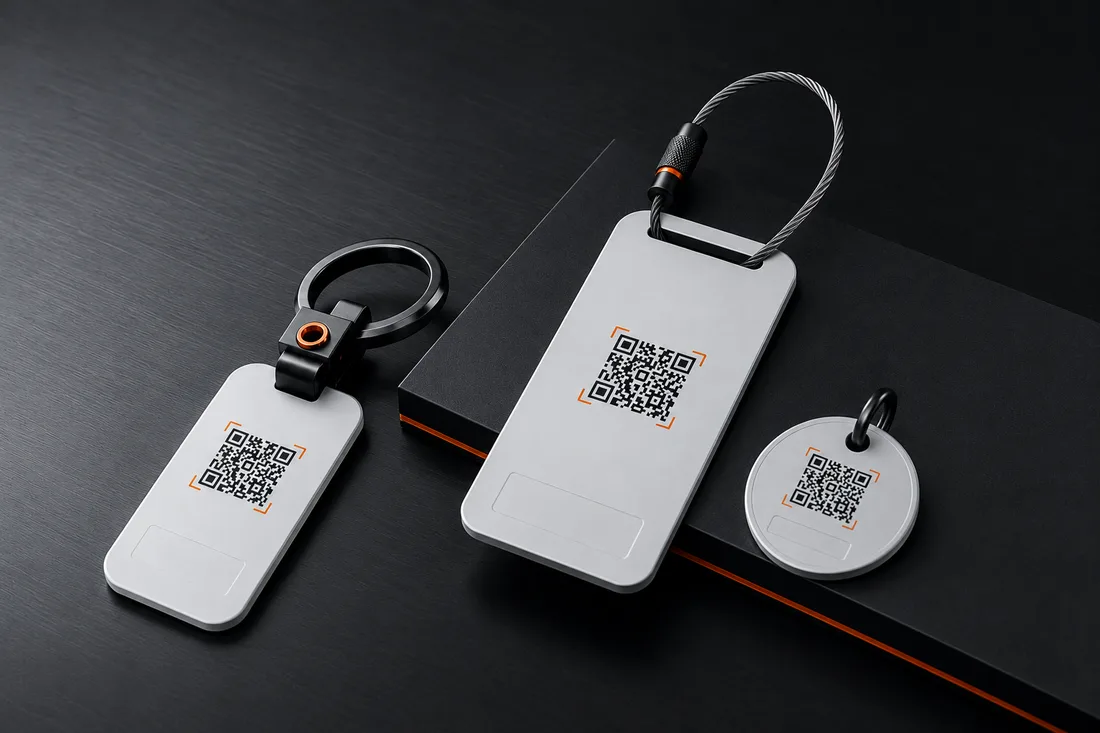
What happens when the honest route is suddenly the easiest one? When there’s a contact point on the car that the person at fault scans with their camera, taps a topic, writes two sentences — and the owner knows straight away, without anyone having to reveal a phone number?
Then the arithmetic flips. “Half an afternoon versus a clear conscience” becomes “two minutes versus a clear conscience” — and decency wins that decision almost every time. Not because people have become better, but because the offer finally fits them.
That’s exactly why we built SilentLink. Not out of distrust of the world, but out of an almost stubborn confidence: The world is full of honest people. You just have to make it easy for them.
FAQ
Isn't it too cynical to explain hit-and-run with convenience?
It would be cynical to excuse it that way. But explaining and excusing are two different things: if you want to understand why something happens, you have to look at the incentives — and for the honest route, they're catastrophic today. Legally, leaving the scene of an accident remains a criminal offence (§ 142 of the German Criminal Code), entirely regardless of the explanation.
Isn't a note with a phone number enough?
Legally, no — a note doesn't satisfy the duty to wait under § 142 of the German Criminal Code. In practice, it often fails because of wind, rain, or the fact that neither pen nor paper is at hand at the crucial moment. And it forces the person at fault to leave their private number for a complete stranger.
So what is the right thing to do after a parking bump?
Wait, for a reasonable amount of time. If the owner doesn't show up, notify the police and report the damage — only then are you allowed to drive off. It's exactly this process that costs the famous half an afternoon, and that's exactly why there needs to be a way to reach the owner directly and immediately.