

Calculator · Fault Costs
What does an unreported fault cost?
The most expensive defect is the one no one hears about: it keeps running, drags consequential damage behind it, and later ties up staff in follow-ups. Enter your own figures below — the calculator shows how much deferred reports cost per year, and what a QR reporting system holds against it.
- 0
- apps · for the person reporting
- 24/7
- reportable, including nights and weekends
- 1 scan
- from fault to report
- from €0.50
- per unit per month
Calculate with your figures
Your costs, openly calculated.
Three sliders, one transparent formula: report points × deferred faults per unit per year × consequential cost per incident. Adjust the assumptions to your operation — nothing is sugar-coated.
A simplified model calculation with freely chosen assumptions — not a quote. "Consequential costs" mean everything a deferred fault drags behind it: downtime, consequential damage, restock shortages, follow-up queries and tied-up staff. Your real figure depends on your operation; the calculator makes the order of magnitude visible.
Avoidable consequential costs per year
—
—
About the calculation
How the figures come about.
Why do unreported faults cause costs at all?
Because the problem doesn't disappear just because no one reports it. A dripping dispenser becomes water damage, a flickering light becomes a dead lamp, a half-broken vending machine becomes a total failure with lost revenue. On top of that comes the hidden effort: whoever does call later ties up staff, and the technician drives out twice because information was missing the first time. Why so many faults never get reported in the first place is in the magazine: Why faults don't get reported.
What figure should I put in for "consequential cost per incident"?
An honest estimate of your average. For an uncritical office machine it might be 30–50 €, for a revenue-carrying vending machine or a safety-relevant plant it can quickly reach several hundred euros per incident. The calculator deliberately starts low (80 €) so the order of magnitude stays on the conservative side.
Isn't this calculated in SilentLink's favor?
On the contrary — the formula is deliberately simple and the starting assumptions are restrained. A QR reporting system doesn't prevent every one of these faults, but it ensures they get reported early and completely. Even a noticeably better reporting rate earns back the cost of the system many times over.
What does the QR reporting system cost specifically?
From €0.50 per unit per month, plus a one-off setup based on scope — no contract lock-in. Details are on the ServiceID page.
The product behind it
The calculation path becomes a reporting path.
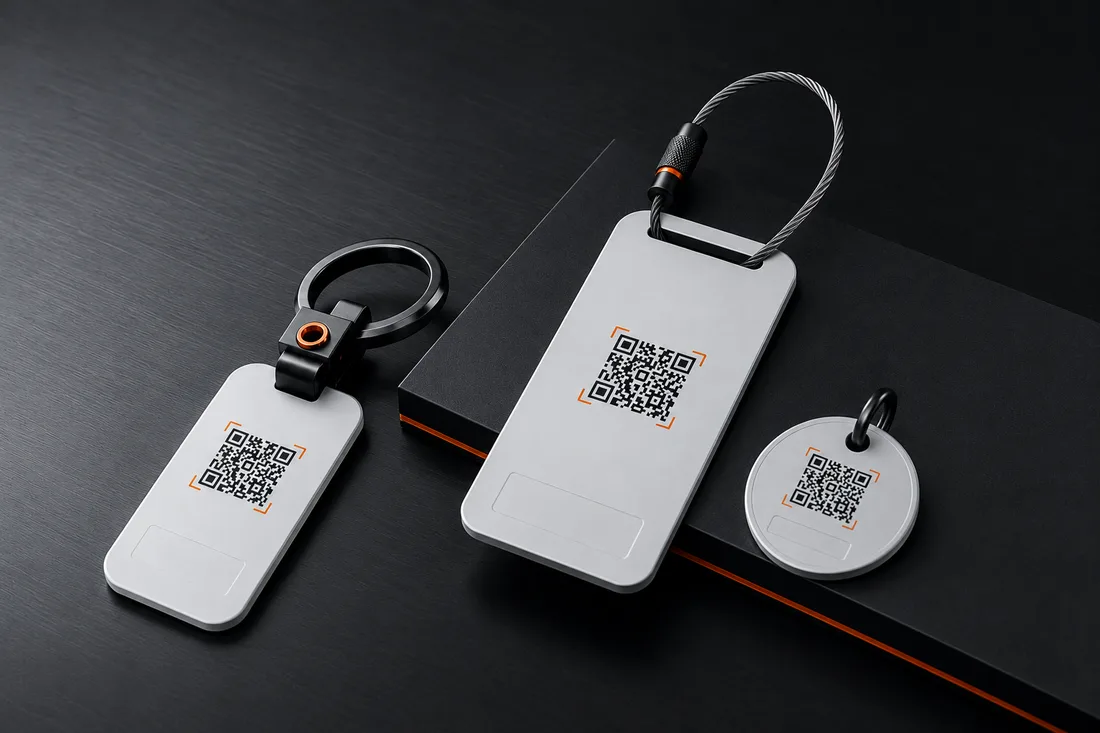
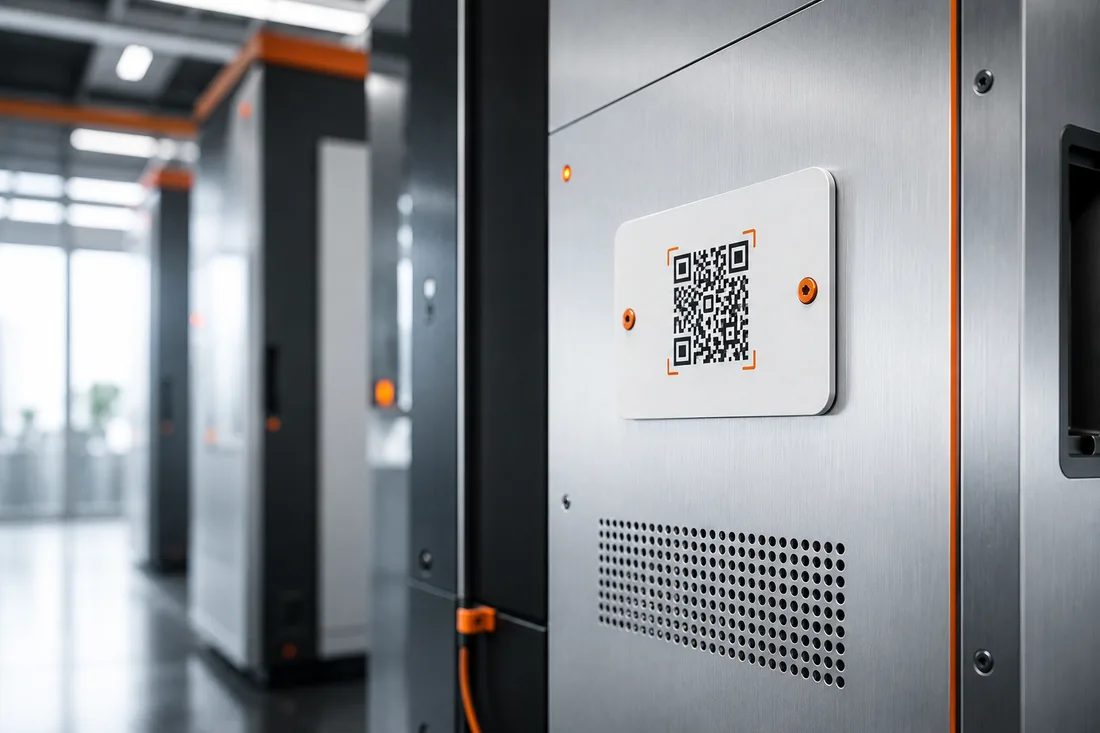
What the calculator makes visible, ServiceID solves: a QR code on every unit, a scan instead of a hold queue, the report structured with the right team — no app and no IT project.
On the product page you'll find the deployment scenarios, the honest comparison with hotline, reporting app and sensor technology, and all the key facts on cost and rollout.
- A report with equipment, location and photo — complete instead of "doesn't work"
- Lands by email in any ticketing system, no interface project
- Pilot from one site, then your figures decide
QR reporting system
Let's run the numbers on your case.
Describe your operation to us — we'll estimate the order of magnitude together and show you a fitting setup. Two fields are enough, reply on business days within 24 hours.
Your contact
You speak directly with us — the people who built the system, not a reseller.
- Reply within 24 h on business days
- Free & no obligation
- Software made in Germany · Servers in DE & EU · GDPR-compliant
Prefer to write? Briefly outline your project — reply within 24 hours on business days.
Your request is in.
A confirmation is on its way to — check your spam folder just in case. We usually get back to you within one business day.
Submission failed.
That didn't go through just now. Send us your request directly by email instead — your details are already filled in:
Send by email